
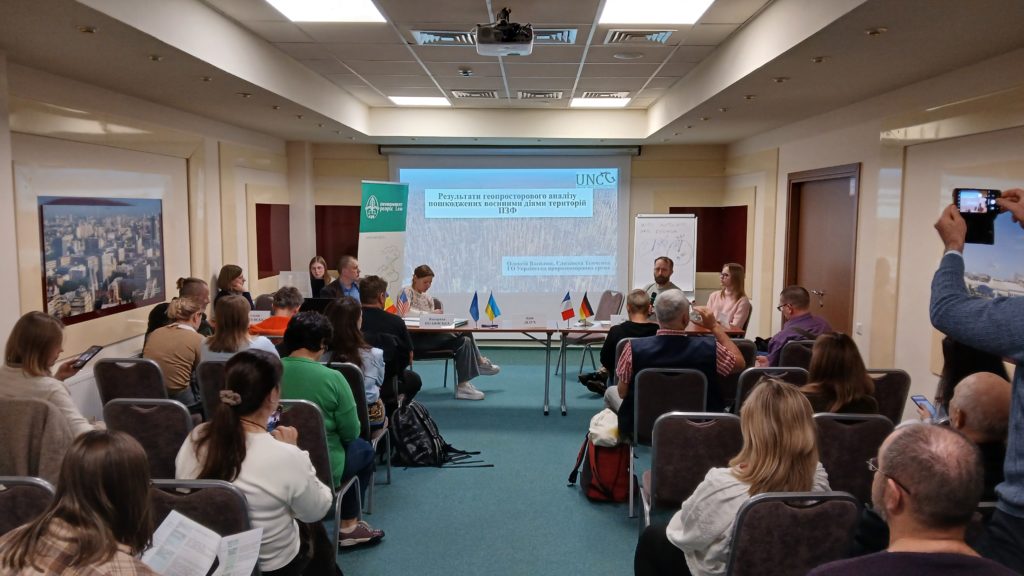
У межах Міжнародної конференції «Сучасна екополітика України: прозорість, ефективність та безпека в умовах військової агресії» (4–5 листопада 2025 року) відбувся п’ятий тематичний блок, присвячений питанням збереження біорізноманіття під час повномасштабної війни.
Проблеми збереження фіторізноманіття під час воєнних дій висвітлив Яків Дідух, академік НАН України, він розповів про синергетичний вплив багатьох факторів на природні комплекси України, флуктуаційні, сукцесійні та еволюційні зміни, методології дослідження та обрахунку шкоди, оцінку екосистемних послуг для розрахунку завданих збитків з урахуванням затрат на відновлення екосистем до нативного стану, моніторинг за станом пошкоджених та знищених екосистем з метою розробки прогнозів та впровадження заходів по їх відновленню (в першу чергу на Каховському водосховищі).
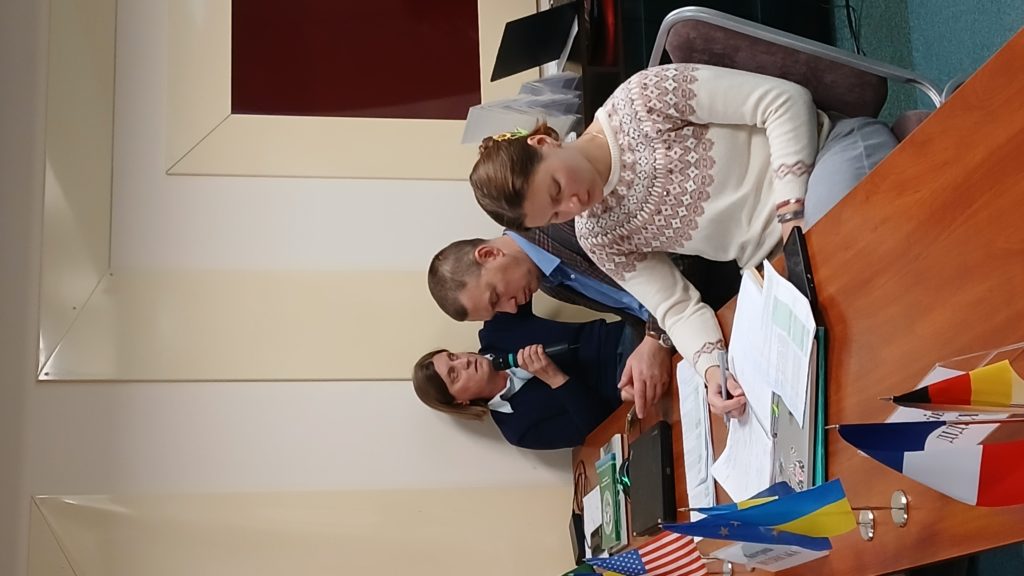
Еколог ЕПЛ Катерина Полянська розповіла про кумулятивний та багатофакторний вплив воєнних дій на тваринний і рослинний світ України, незворотні зміни в екосистемах, знищення суходільних та водних екосистем, масштаби впливу на природні комплекси та вивчення наслідків для тисяч живих істот, вплив катастрофи на Каховському водосховищі на екосистеми ложа, територій нижче дамби та Чорне море.
Сучасну політику Держлісагентства і лісової галузі на забезпечення європейських стандартів прозорості та підзвітності у веденні лісового господарства, проблеми лісової галузі, сірий та чорний експорт деревини висвітлив юрисконсульт, еколог ЕПЛ Анатолій Павелко.
Важливе питання опосередкованого впливу воєнних дій та збереження біорізноманіття Українських Карпат висвітлила голова ГО «Зберегти Пікуй» Наталія Вишневська. Вона розповіла про зведення вітрових електростанцій та пов’язані з цим порушення природоохоронного законодавства, знищення рідкісних червонокнижних рослин, знищення реліктових високогірних екосистем, чутливих до антропогенного впливу.
Олексій Василюк та Єлизавета Темченко з ГО «Українська природоохоронна група» представили результати геопросторового аналізу пошкоджених воєнними діями територій ПЗФ, окреслили «Зону випаленої землі» та розповіли про методику зонування.
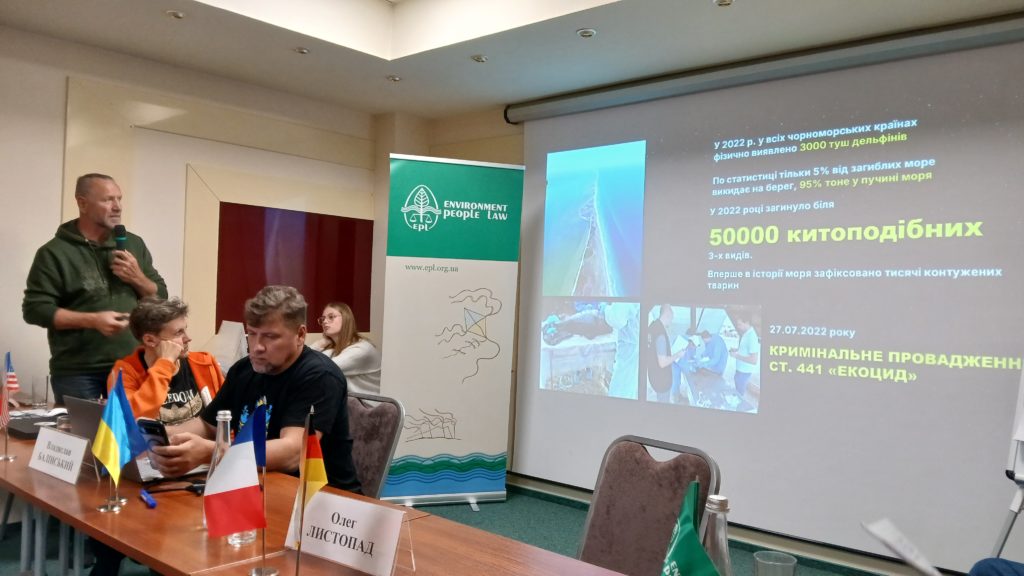
Олег Листопад, експерт з питань довкілля АНТС висвітлив питання порятунку природи від пожеж та необхідність затвердження Урядом Стратегії запобігання пожежам у природних екосистемах. Для вирішення проблеми пожеж у природних екосистемах (ландшафтах) потрібно ухвалити постанову КМУ про затвердження «Стратегії запобігання пожежам у природних екосистемах». Розробити плани протипожежного впорядкування для населених пунктів, які розташовані у безпосередній близкості від пожежонебезпечних ландшафтів. Для боротьби з пожежами на торфовищах ухвалити Постанову КМУ «Про особливий статус торфовищ», яка має у т.ч. включати програму обводнення торфових масивів та спеціальний моніторинг торфових територій
Команда НПП «Тузлівські Лимани» у складі Ірини Вихристюк, Івана Русєва та Владислава Балінського висвітлила питання особливостей роботи СДО ПЗФ в умовах війни на територіях ймовірних бойових дій; фіксації впливу воєнних дій на довкілля, спроможності та ефективності установ ПЗФ; регіональних екологічних програм воєнного періоду на прикладі Одеської області. У зв’язку з руйнівним впливом війни росії проти України на популяції чорноморських китоподібних і необхідності їх відтворення, було обговорено ініціативу НПП “Тузлівські лимани” щодо створення морського резервату в територіальних водах України у Північно – західної частині Чорного моря, створення реабілітаційного (реадаптаційний) центру для китоподібних. Було презентовано роботу НПП під час великомасштабного вторгнення, проведення наукових досліджень.
