
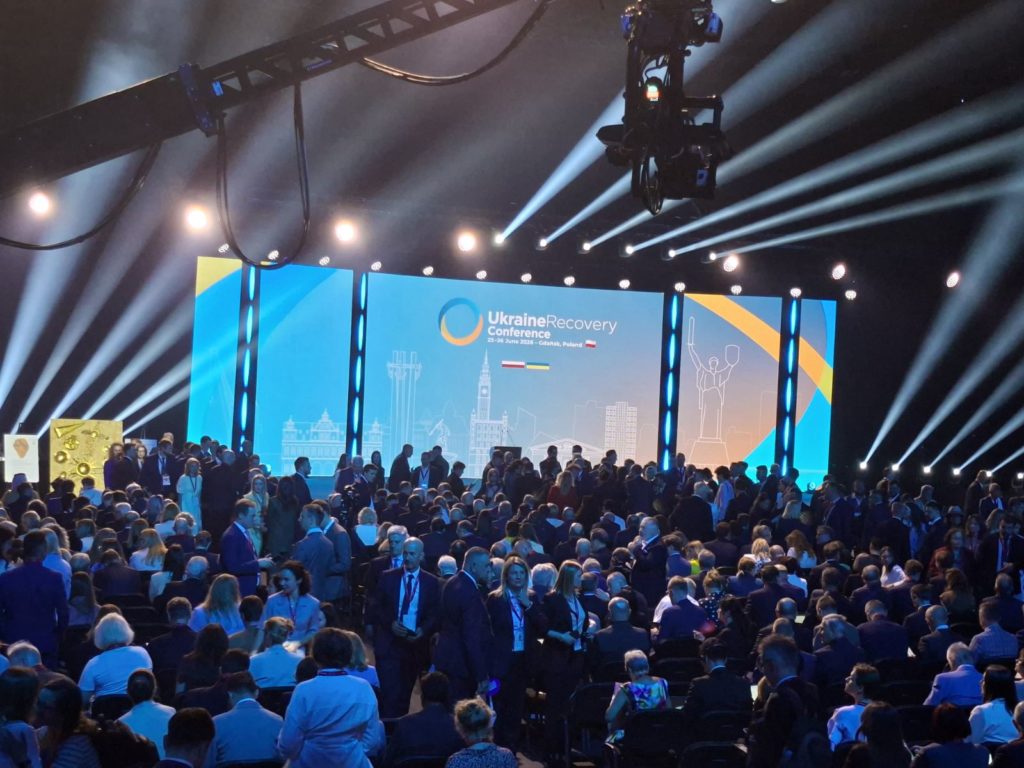
The official opening of the Ukraine Recovery Conference in Gdansk on June 25, 2026 was attended by the Prime Ministers of Ukraine and Poland, as well as numerous prime ministers from various countries – Austria and Germany, Albania and Bosnia and Herzegovina. The prime ministers of the Baltic states emphasized the need for more active support for Ukraine, especially financial.
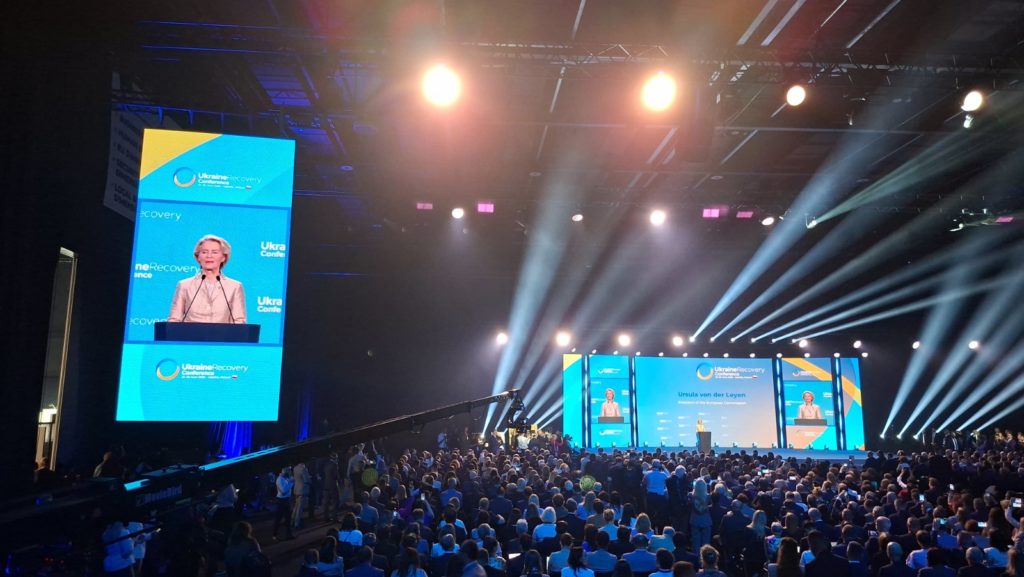
The European Commission President Ursula von der Leyen announced today that Ukraine will receive the first tranche of €3.2 billion from the €90 billion EU loan. She also said that disbursements from a €6 billion fund for drone production would begin in the coming days.She also congratulated Ukraine on opening negotiations on the first cluster, and other European leaders assured that they support the opening of the negotiations on all clusters for Ukraine.
There was no unanimous position on whether reconstruction should take place now or after the end of hostilities among the leaders who delivered welcome speaches, but they all understood that the destroyed energy infrastructure in cities and villages should be restored by the beginning of winter, and people should receive the full range of utility services, socio-psychological support, and quality medical and educational services.
Latvia mentioned that the aggressor must be held accountable and compensate for the damage it causes to Ukraine, as the damages currently reach astronomical figures. We also agree that compensation for damage should be one of the government’s priorities, collecting data on damage, finding financial opportunities for compensation at the international level is an important task, where support of international partners is critical. Latvia is among the leaders in supporting Ukraine, especially in the military sphere. The Baltic countries plan to join forces in preparing next Ukraine Recovery Conference in Tallinn in 2027.
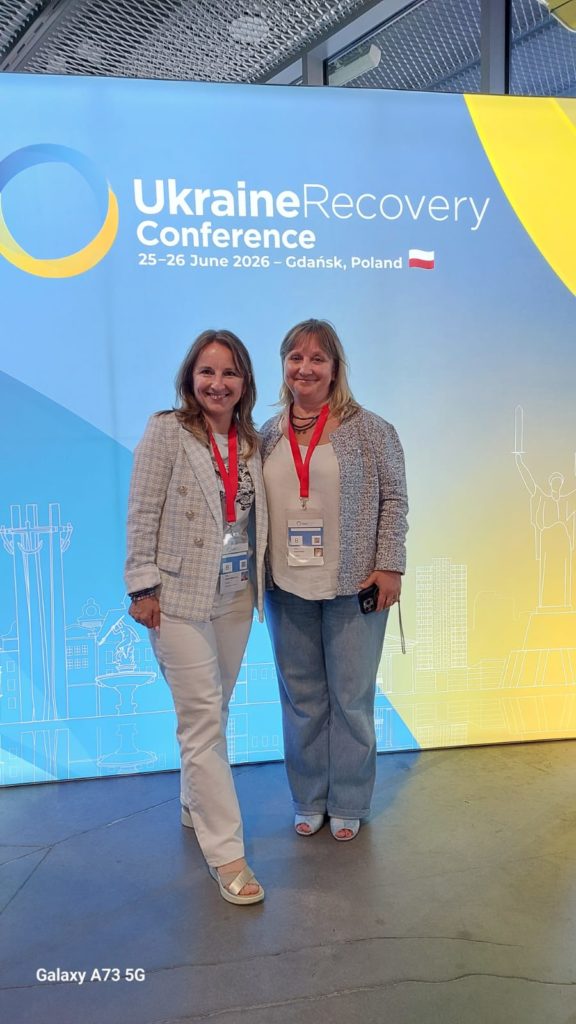
Representatives of governments and international financial institutions assured Ukraine of their support, and some mentioned the importance of the role of civil society in reconstruction, and the potential of civil society in helping to fight the aggressor. The role of civil society in Ukraine’s recovery was also proved by the number of civil society representatives from various fields who arrived in Gdansk and adequately presented the challenges and opportunities of reconstruction.
A number of discussions concerned attracting investment to Ukraine, infrastructure development and incentives for investment in Ukraine, legal mechanisms for private-public partnership. Often, the event discussed Ukraine’s potential in critical minerals and practical steps in extracting these minerals, attracting investment to the mining sector. Thus, the Ukrainian government plans to speed up permitting procedures and ensure predictable results in land issues to attract investors to this area.
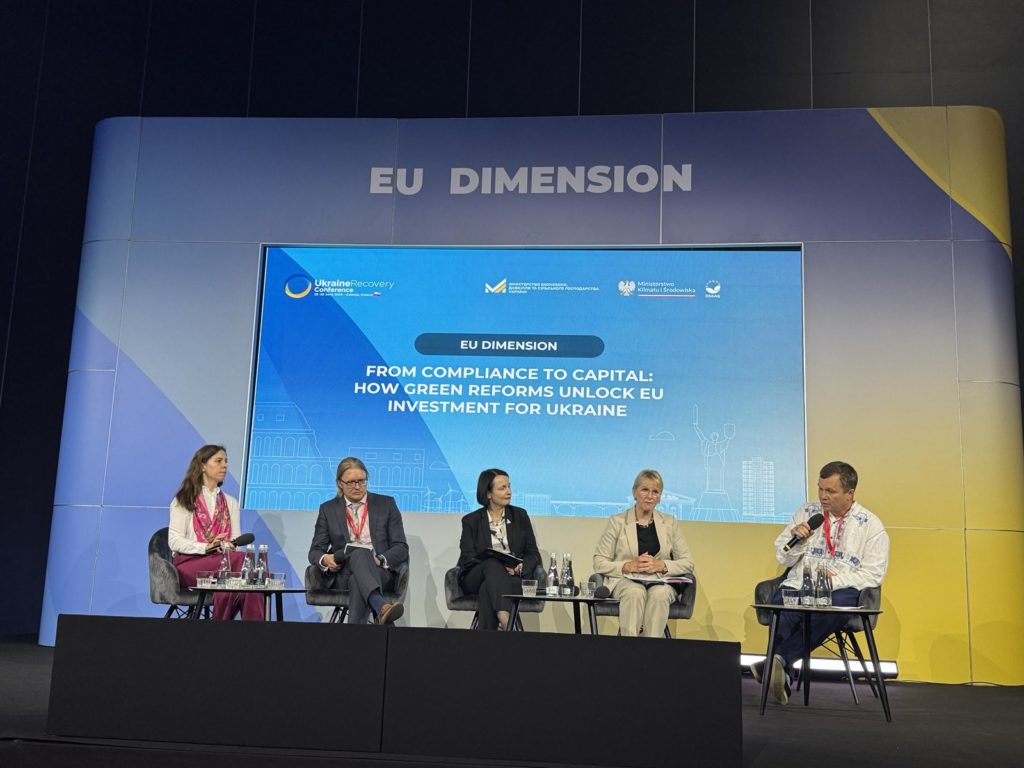
Economic development, the country’s military victory, and attracting investment were the leitmotifs of the meeting. Implementation of the judicial reform, the rule of law, and green reforms are the basis for a green recovery, and EU benchmarks and EU legislation should be our guides.

This publication was compiled with the support of the International Renaissance Foundation. Its content is the exclusive responsibility of the authors and does not necessarily reflect the views of the International Renaissance Foundation.
