
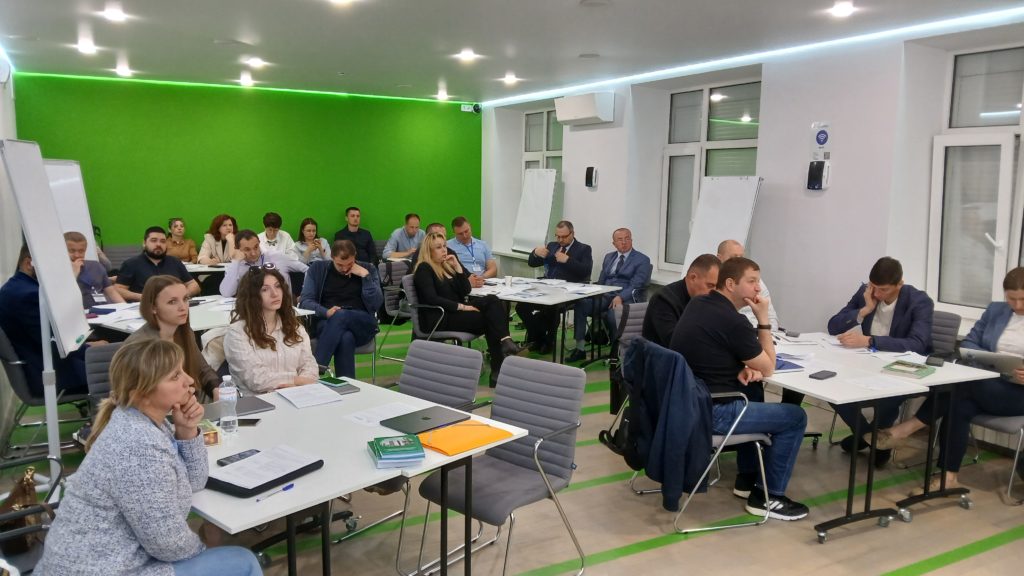
On May 29, 2026, there was held the training “Specifics of War Crimes Against the Environment and Ecocide” dedicated to the current issues of qualification, investigation and documentation of crimes against the environment committed during the war of the Russian Federation against Ukraine.
The event was organized by the International charitable organization “Environment-People-Law” (EPL) jointly with the Training Center for Prosecutors of Ukraine with the support of the International Renaissance Foundation and brought together representatives of the prosecutor’s office, the Security Service of Ukraine, the State Environmental Inspectorate, the scientific community, the civil society sector, and international experts.
The aim of the event was to increase the level of professional competence of participants regarding the specifics of qualification, pre-trial investigation and support of public prosecution in criminal proceedings on the facts of war crimes against the environment and ecocide.
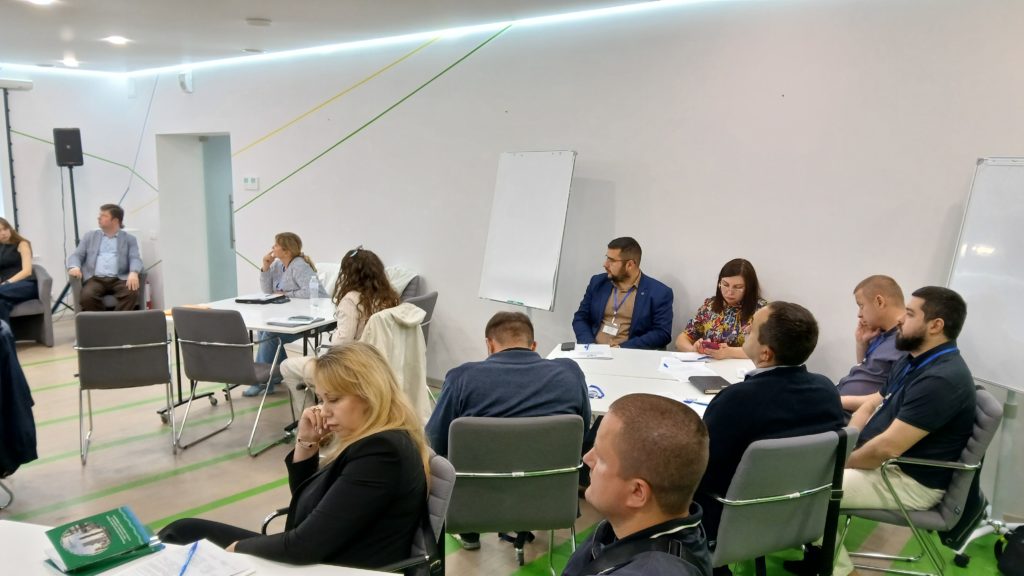
The training was opened by Deputy Director of the Training Center for Prosecutors of Ukraine Andriy Orlean, Head of the Specialized Environmental Prosecutor’s Office of the Prosecutor General’s Office Borys Indychenko, Deputy Head of the State Environmental Inspectorate Dmytro Zaruba, and Executive Director of ICO “Environment-People-Law” Olena Kravchenko, who emphasized the importance of proper documentation and effective investigation of crimes against the environment in wartime.
During the first block, the participants discussed the specifics of the legal regulation of war crimes against the environment and ecocide. The speakers presented current information on the state of the pre-trial investigation of ecocide in Ukraine, considered the problems of the criminal legal qualification of causing harm to the environment in wartime, the distinction between ecocide and war crimes against the environment, as well as specific characteristics of the organization of investigation and procedural management in the relevant criminal proceedings.
The second block was devoted to practical aspects of documenting and proving damage caused to the environment as a result of military actions. Participants were familiarized with current methods of determining damage and losses, problems of their application and possible ways of improvement. Special attention was paid to collecting evidence during field trips, conducting examinations and using GIS technologies to record the environmental consequences of war.
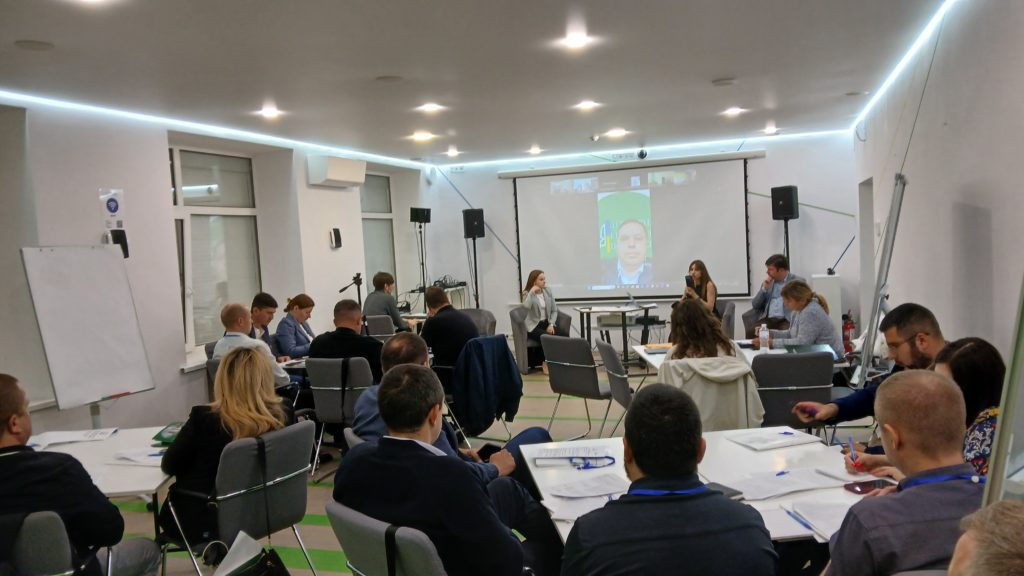
Within the third block, experts shared international experience in the field of criminal law protection of the environment. In particular, participants discussed the new European Union Directive on Environmental Crimes and the prospects for its implementation in Ukraine, approaches to the qualification of environmental damage in accordance with the Rome Statute of the International Criminal Court, as well as the possibilities of using international mechanisms to hold accountable those responsible for large-scale damage caused to the environment during war.
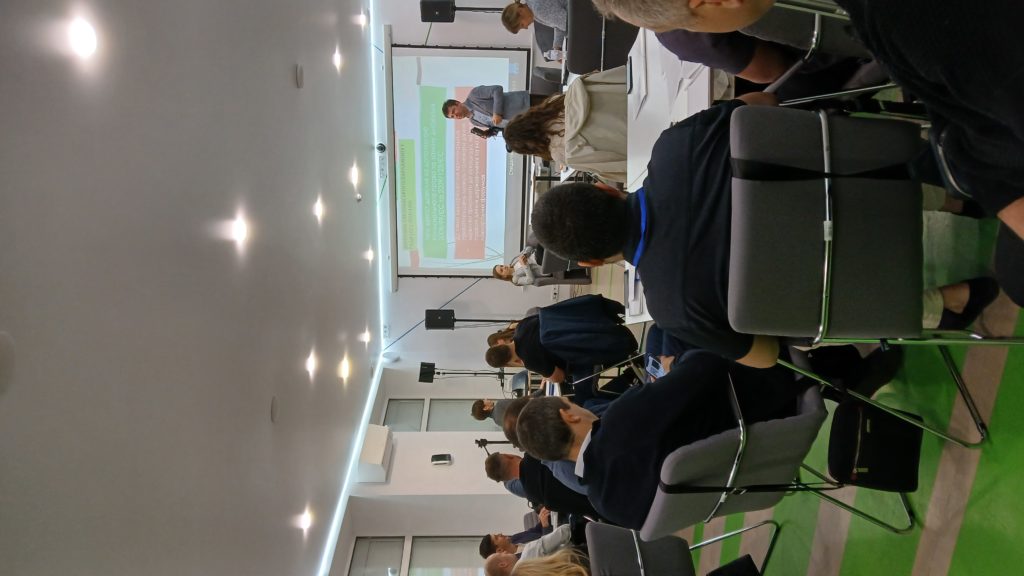
Representatives of the following institutions shared their knowledge and practical experience with the participants: the Prosecutor’s Office of the International Criminal Court, Specialized Environmental Prosecutor’s Office of the Prosecutor General’s Office, Department for Combating Crimes Committed in Armed Conflict, the Prosecutor’s General Office, ICO “Environment-People-Law“, Ivan Franko Zhytomyr State University, European Environmental Bureau, University of Helsinki, Institute of Environmental Security.
The training became a platform for professional dialogue and exchange of practical experience between representatives of law enforcement agencies, the civil society, the scientific community and international experts. The event contributed to deepening knowledge on effective documentation of the environmental consequences of war, application of international standards in criminal proceedings and strengthening Ukraine’s capacity to ensure proper investigation and prosecution of perpetrators guilty of causing environmental damage.

This publication was compiled with the support of the International Renaissance Foundation. Its content is the exclusive responsibility of the authors and does not necessarily reflect the views of the International Renaissance Foundation.
